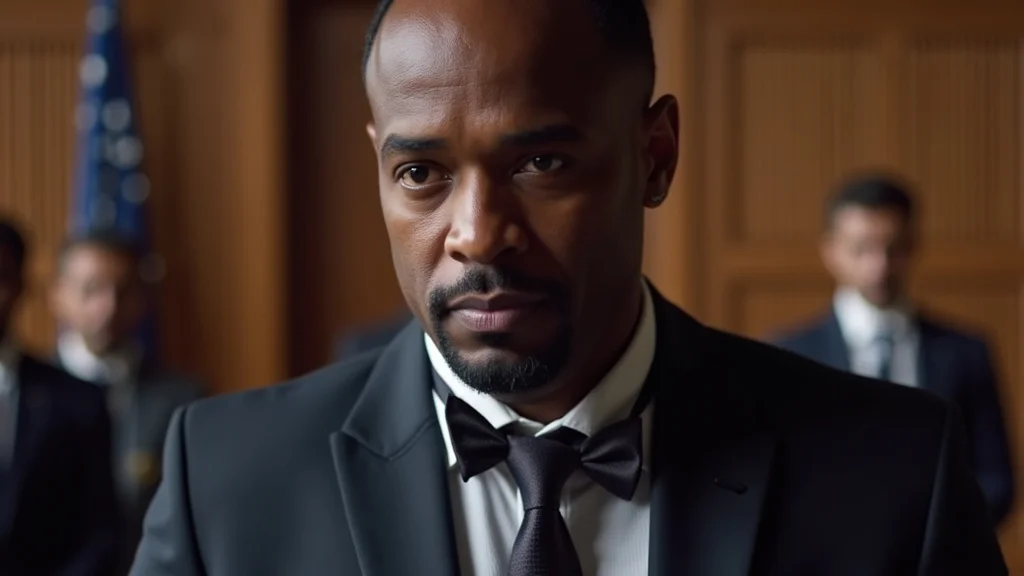

Imagine turning on your TV and seeing a courtroom drama unfold, not from a fictional show, but from real life. Millions of people are curious about the will Diddy trial be televised, eager to witness the legal proceedings. This post explores the factors that determine whether a trial like this is broadcasted and what that means for everyone involved. You’ll learn the legal perspectives, the influence of media, and the implications for public access. You’ll also discover the potential pros and cons of televised trials, helping you form a well-informed opinion about this compelling subject. Get ready to explore the exciting possibilities and challenges surrounding this potentially historic event.
The Legal Landscape of Televised Trials
The decision to televise a trial isn’t a simple one. It hinges on a complex web of legal and ethical considerations. In the United States, the Sixth Amendment guarantees the right to a public trial, but that doesn’t automatically mean cameras are allowed. Each state has its own rules, and federal courts have stricter policies. Many factors are assessed, with judges taking into account both the accused’s right to a fair trial and the public’s right to access information. The specific charges, location of the trial, and the individuals involved heavily influence the ruling. It’s a delicate balancing act that attempts to serve justice fairly.
State vs. Federal Court Differences
The main differences between state and federal court rules on cameras in the courtroom are pretty stark. State courts are typically more open to allowing cameras. Many states have specific rules or guidelines, allowing cameras unless there’s a strong reason to keep them out, such as protecting the safety of witnesses or the integrity of the proceedings. Federal courts, on the other hand, are much more cautious. The federal court system generally prohibits cameras in district court proceedings. There are exceptions, but these are rare. This means if the will Diddy trial be televised, it would likely be due to state laws or a special exception granted by a federal judge, if applicable.
- State Courts: State courts often permit cameras, with individual states having different rules. This can range from allowing cameras by default to requiring permission from the judge.
- Federal Courts: Federal courts are usually camera-shy. They generally ban cameras in district courts, but there can be exceptions in cases of significant public interest.
- Differences in Rules: The differences arise from various perspectives on the balance between public access and the need to guarantee a fair trial, particularly the impact that the presence of cameras can have on witnesses and jurors.
- Impact on Decisions: The location of the trial – state or federal – will have a very large impact on the answer to the question, will Diddy trial be televised.
Factors Influencing the Decision
Several crucial elements influence whether a trial gets televised. One is the nature of the case itself; high-profile cases with intense public interest are more likely to be considered. The judge weighs the potential impact on all those involved, including the jury, witnesses, and the defendant. Objections from the defense or prosecution can strongly influence the decision. Judges also consider the possibility that cameras might distract witnesses or sway jurors. They assess the potential for the presence of cameras to disrupt the orderly flow of the trial. The judge’s perspective on fairness and the best way to administer justice guides their decision.
- Public Interest: The degree of public interest in the case, particularly the celebrity status of the defendant and the nature of the charges, significantly affects the decision-making process.
- Impact on Fair Trial: Judges carefully weigh the potential effect cameras might have on jurors, witnesses, and the accused. The fundamental right to a fair trial is paramount.
- Witness Protection: Protection of the witnesses is of high concern. The judge considers the potential risks and vulnerabilities of witnesses if their testimonies are broadcast.
- Objections from Parties: If either the prosecution or the defense raises significant concerns about televising the trial, the judge is more likely to deny camera access.
The Media’s Role and Impact
The media significantly shapes the way the public sees and understands a trial. When a trial is televised, news outlets can broadcast live coverage and create in-depth reports, which can have a huge effect on public opinion. The presence of cameras can also pressure participants to modify their behavior, whether they’re the lawyers, witnesses, or even the judge. Understanding this dynamic is key to predicting what might happen if the will Diddy trial be televised.
Media Coverage and Public Perception
Media coverage is vital in forming public perception of trials. Extensive news coverage, especially when broadcast live, provides the public with a front-row seat to the proceedings. News outlets can select specific moments to highlight, interviews, and offer commentary, which influences how viewers interpret the events. This selective presentation can shape public opinion, for better or worse, by emphasizing particular aspects of the trial. A positive portrayal can result in support for the defendant, or a negative presentation may sway public opinion.
- Influence on Opinions: News channels and websites affect the way people interpret a case. They can choose to emphasize certain aspects, affecting how the public thinks.
- Live Broadcasting: The ability to broadcast live can draw a wide audience, increasing public awareness of the case and its implications.
- Commentary and Analysis: The commentary provided by media experts can shape how people understand the legal arguments and evidence presented in the courtroom.
- Potential for Misinformation: When the media gets it wrong, or if they have their own bias, that can lead to incorrect information about the case.
Impact on Participants
The presence of cameras can affect everyone involved in a trial. Lawyers, aware of the public’s view, might modify their tactics. Witnesses can be more nervous or cautious about their testimonies. Jurors also may change their behaviour as they are aware they’re being watched by millions. The judge, too, might adapt their behavior to maintain order, fairness, and avoid any appearance of bias. This can change the dynamics of a trial and possibly alter the decisions made.
- Lawyers’ Tactics: Legal teams could use their arguments strategically to appeal to the public or to generate specific reactions.
- Witness Behavior: Witnesses may feel intimidated or more careful about how they present themselves in front of cameras.
- Juror Influence: Knowing they’re being watched might change how jurors think or talk during deliberations, potentially influencing their decisions.
- Judicial Conduct: Judges make an effort to be neutral, but the cameras can add extra pressure, affecting how they preside over the trial.
Ethical and Practical Considerations
Televising a trial leads to a discussion of several ethical and practical questions. Concerns about privacy, the impact on the right to a fair trial, and the potential for media exploitation are all significant. These issues need careful evaluation by courts and legal scholars. The debate over whether to allow cameras in the courtroom is a balancing act of multiple interests. The question of whether or not the will Diddy trial be televised includes many such considerations.
Privacy Concerns
Privacy is a crucial concern in the discussion of televised trials. Individuals involved in the case, including the defendant, witnesses, and victims, have a right to privacy. Televising a trial can reveal personal information, like personal medical history or financial details, and can place participants under intense public scrutiny. This increased attention can lead to doxxing, harassment, or other negative consequences. Courts attempt to balance the need for openness with the protection of personal privacy, making sure sensitive information is protected.
- Personal Data Exposure: Televising a trial could reveal sensitive information, like medical records and financial history.
- Risk of Harassment: Public attention can make it easier for people to harass or threaten those involved in the case.
- Witness Vulnerability: The safety of witnesses is essential. Broadcasting their testimony can expose them to danger or intimidation.
- Victim Privacy: The rights of victims must be protected, as they may suffer emotional harm from public exposure.
Fair Trial vs. Public Access
The core of the legal system is balancing the public’s right to access trials with the accused’s right to a fair trial. When a trial is televised, there’s a risk that media coverage could negatively affect jurors, influencing their decisions based on public opinion rather than evidence. The court must take steps to minimize potential problems. However, greater transparency encourages public interest in the judicial system and helps people comprehend the process of justice. Finding the proper balance is vital to preserve the integrity of the judicial process. This is something that must be evaluated when thinking about whether the will Diddy trial be televised.
- Juror Bias: News coverage could affect the jury’s views, making them less neutral.
- Witness Integrity: Some witnesses may be discouraged to come forward if they fear being filmed.
- Public Education: Making trials accessible helps the public grasp how the legal system works.
- Fairness for the Accused: Every person has a right to be treated fairly, regardless of the media attention.
Real-Life Examples and Case Studies
Examining trials that were televised gives insight into the effects and outcomes. Notable cases demonstrate how cameras can influence the legal process and public perception. These examples offer practical learning opportunities for understanding the arguments surrounding the question of whether the will Diddy trial be televised.
The O.J. Simpson Trial
The O.J. Simpson trial in the mid-1990s was one of the most famous televised trials. The live coverage captivated audiences, turning the case into a media frenzy. The extensive coverage had a deep impact on the legal procedures. The defense team, known for its creative strategy, capitalized on the media’s reach, and the daily media coverage affected the jurors. The trial is still debated today. It highlights the complexities and impacts of bringing cameras into the courtroom.
- Intense Media Coverage: The trial received global attention. The coverage was extensive and continuous.
- Impact on Strategy: The defense team used media attention to sway public opinion and influence the jury.
- Public Reaction: The media coverage deeply affected public opinion. There were intense debates about the verdict and the fairness of the trial.
- Lessons Learned: This case is a study in how cameras can affect the judicial process, public perception, and legal tactics.
The Casey Anthony Trial
The Casey Anthony trial, televised in the early 2010s, was also a highly watched case. The trial of Anthony, accused of killing her young daughter, created enormous public interest. The television coverage included the daily trial events and the courtroom drama. Media commentary amplified public emotion, particularly due to the nature of the case and the details presented. This case offers a glimpse into how televised trials can attract millions of viewers and what implications this has on the proceedings.
- High Public Interest: The case of Casey Anthony sparked wide public interest. Millions watched the trial closely.
- Dramatic Coverage: The televised coverage emphasized the emotional moments of the trial.
- Public Opinion: The audience reacted strongly, showing public emotions that influenced the debate.
- Legal Aftermath: The case stirred many questions about media’s influence on legal processes and public perceptions of justice.
The Trial of Derek Chauvin
The trial of Derek Chauvin, a former police officer charged with the murder of George Floyd, was marked by the presence of cameras. The coverage, which presented the courtroom proceedings and critical evidence, played a crucial role in documenting the case. The use of video, including the cell phone video of the murder, showed a clear view of the events. This coverage enabled people around the globe to observe the trial’s legal and ethical aspects. The televised trial generated a strong reaction and emphasized transparency in the justice system.
- Video Evidence: A key piece of evidence, the video showing George Floyd’s murder, had an influential role in the trial.
- Public Awareness: The broadcast played a part in educating people on police violence and racial injustice.
- Social Impact: The trial’s coverage led to discussions and changes in law enforcement.
- Impact on Legal Process: This trial underlines the effects of cameras, and the importance of public scrutiny in high-profile cases.
The Future of Televised Trials
The direction of televised trials is constantly being discussed and influenced by technology, public interest, and legal thinking. The balance between public access and protecting the right to a fair trial will keep developing. The case of the will Diddy trial be televised would likely be used as a test of the rules and the changing opinions on how to handle the media and the judicial process.
Technological Advances
Advances in technology have already changed how trials are covered. Digital streaming, social media, and other digital tools allow for more real-time and interactive coverage. The use of new tools brings up new issues. These include managing the spread of information, guaranteeing the authenticity of the evidence presented, and defending the safety of people participating. As technology develops, courts must explore and integrate these advances, adapting to the latest legal procedures.
- Live Streaming: Live streaming makes it possible to watch trials from anywhere.
- Social Media: Social media platforms allow for quick sharing of information and opinions about trials.
- Digital Evidence: Digital evidence, such as video and images, can be easily incorporated into the trial’s evidence.
- Challenges of Digital: Ensuring the reliability of evidence and preventing tampering are critical challenges.
Evolving Legal Standards
Legal standards are always changing, shaped by court judgments, legislative actions, and public discussion. The interpretation of the Sixth Amendment right to a fair trial is constantly evolving. As society changes, so do the views on the degree of transparency and the protections required for individuals in the courtroom. Legal professionals must continually reassess existing rules, considering these developments to guarantee that justice is both fair and accessible. These considerations are relevant when it comes to the question of the will Diddy trial be televised.
- Right to a Fair Trial: Legal judgments are always assessing the importance of a fair trial.
- Public Access: The public’s right to be aware of what is happening in the courtroom is balanced against other requirements.
- Technological Integration: Judges must consider new technology and adapt to its impacts.
- Balancing Act: Courts will continue to balance openness, fairness, and safety in future cases.
Frequently Asked Questions
Question: What are the main arguments for televising a trial?
Answer: Proponents suggest televised trials promote transparency, educate the public about the legal system, and ensure that the proceedings are carried out fairly.
Question: What are the main arguments against televising a trial?
Answer: Opponents worry that cameras might negatively affect the fairness of the trial, risk witness safety, and create an environment where decisions are influenced by public perception.
Question: What role does the judge play in deciding whether to televise a trial?
Answer: The judge weighs many factors, including the rights of the accused, the safety of witnesses, public interest, and the possible influence of media on the trial.
Question: How can the media coverage affect a trial?
Answer: The media can influence public opinion, impact the actions of the participants, and affect how jurors perceive the case.
Question: What are some examples of trials that were televised?
Answer: Notable examples include the O.J. Simpson trial, the Casey Anthony trial, and the trial of Derek Chauvin.
Final Thoughts
The decision of whether or not the will Diddy trial be televised depends on a lot of things, starting with legal regulations and the judge’s assessment of fairness. Media coverage can significantly shape how people perceive a trial, affecting public opinion and the conduct of those involved. Even though there are difficulties, such as privacy issues and the potential for a trial to be unfair, there are also advantages. Television can offer education to the public. If the trial were televised, the impact would be substantial, influencing not only the outcome but also the broader conversation about justice, celebrity, and the power of media. You’re now equipped with the information to consider these issues and have an informed opinion. Continue to explore legal developments and remain informed about issues impacting the legal system.
